Organizations don’t usually fail because people stop caring.
They fail because people slowly stop telling each other the truth.
Hospitals are no different.
Every profession develops its own rituals. Questions become routine. Answers become automatic.
“How are you?” “Fine.”
“Busy?” “Always.”
The conversation does its job, and everyone keeps moving.
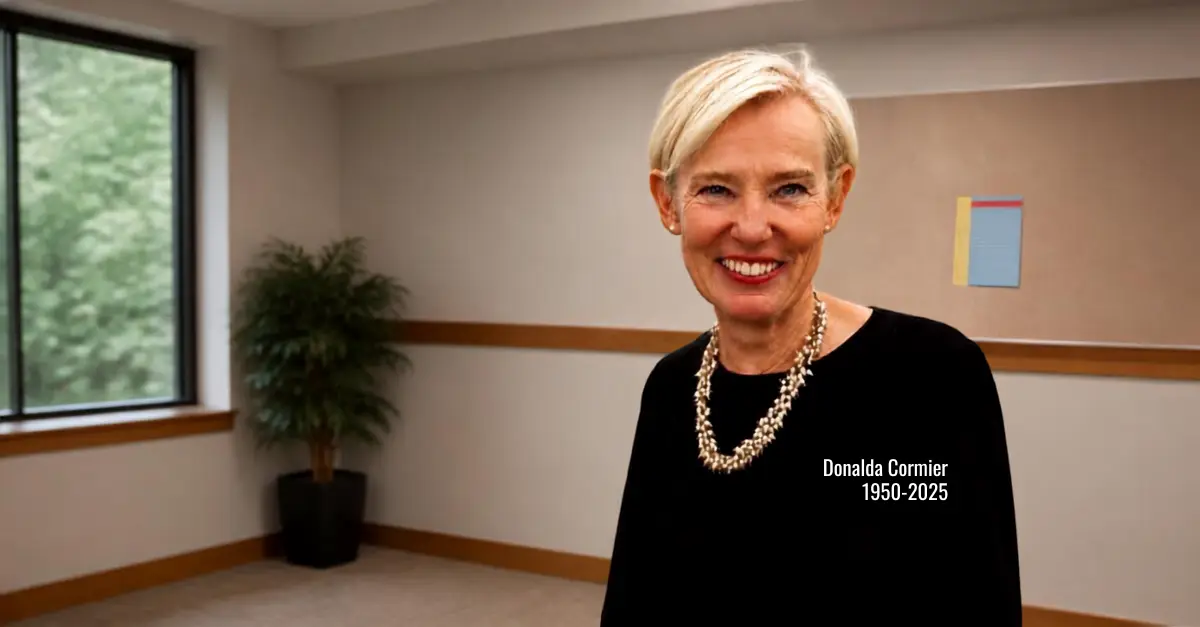
My mother-in-law, Donalda, spent nearly forty years helping leaders and executive teams have the conversations organizations quietly stop having.
Last year, after a brutal illness, we lost her.
Even in her final days, she didn’t stop practising her craft.
She was dehydrated, and weak in the way that there’s no recovery from. The room had that peculiar hospital stillness where the equipment did most of the talking.
Near the end of a long shift, a nurse came into the room. She looked tired. Not the kind that comes from missing a night’s sleep. The deeper kind.
She checked the IV bags, glanced at the monitors and smiled.
“How are you doing tonight?”
Donalda smiled.
“I’m fine.”
She paused.
“Busy tonight? How are you doing?”
The nurse gave the answer professionals often learn to give.
“Busy. Managing. It is what it is.”
They weren’t lies.
They also weren’t the truth.
Donalda held her gaze for another moment.
“How was your night. Really.”
I’ve learned that most people answer the first question out of habit. Sometimes they’re protecting themselves. Sometimes they’re trying to protect the listener from having to carry what they’re carrying.
The second question is different.
It’s how you show you care.
It’s a gentle invitation to move past what they’re protecting.
You’ve invited them to share the tough stuff.
That’s where the real conversation begins.
The nurse stopped moving.
Not dramatically. She simply stopped working long enough to become a person again.
She talked about the shift. The exhaustion. The frustration. The emotional weight she had been carrying for so long it had become almost invisible.
She spoke her truth.
Donalda listened. She listened until the nurse heard herself.
Then she reflected back on what she had heard.
Donalda asked one more question.And, I don’t remember the question. But I do remember what happened next.
The nurse’s shoulders relaxed.
She smiled, genuinely this time.
There were a few more tears.
Then they hugged.
The nurse composed herself, returned to the hallway, and finished caring for the rest of her patients.
The next day she came back.
Not because she needed to check another monitor.
Because she wanted to finish the conversation.
Hospitals run on duty. There is always another patient. Another family. Another chart. In an overburdened system, it doesn’t pay to complain. You keep moving.
People don’t usually come back.
Unless something important happened.
On the day Donalda died, that same nurse returned one last time.
She found me before she left the ward.
She told me how kind my mother-in-law had been.
How wise.
Only later did I realize she wasn’t trying to comfort me.
She was describing someone who had changed her.
After the rest of the family had gone home, my father-in-law stayed behind.
He watched something none of us expected.
Five or six members of the staff quietly gathered around Donalda’s bed before the funeral home arrived.
They combed her hair.
They changed her nightgown.
They removed the tubes and monitors that had become part of her over those final weeks.
No one hurried.
No one needed to be there.
When Dave described it later, he said it reminded him of something from another time. A village. The kind of place where people cared for one another because that’s what communities did.
There was nothing transactional about this.
Nothing dehumanizing.
I’ve thought about that image often.
One nurse came back.
Then several more.
Not because policy required it.
Because a woman who had spent forty years helping leaders see the people around them spent her final days making sure the people caring for her felt seen themselves.
Perhaps that’s what real influence looks like.
Author’s Note
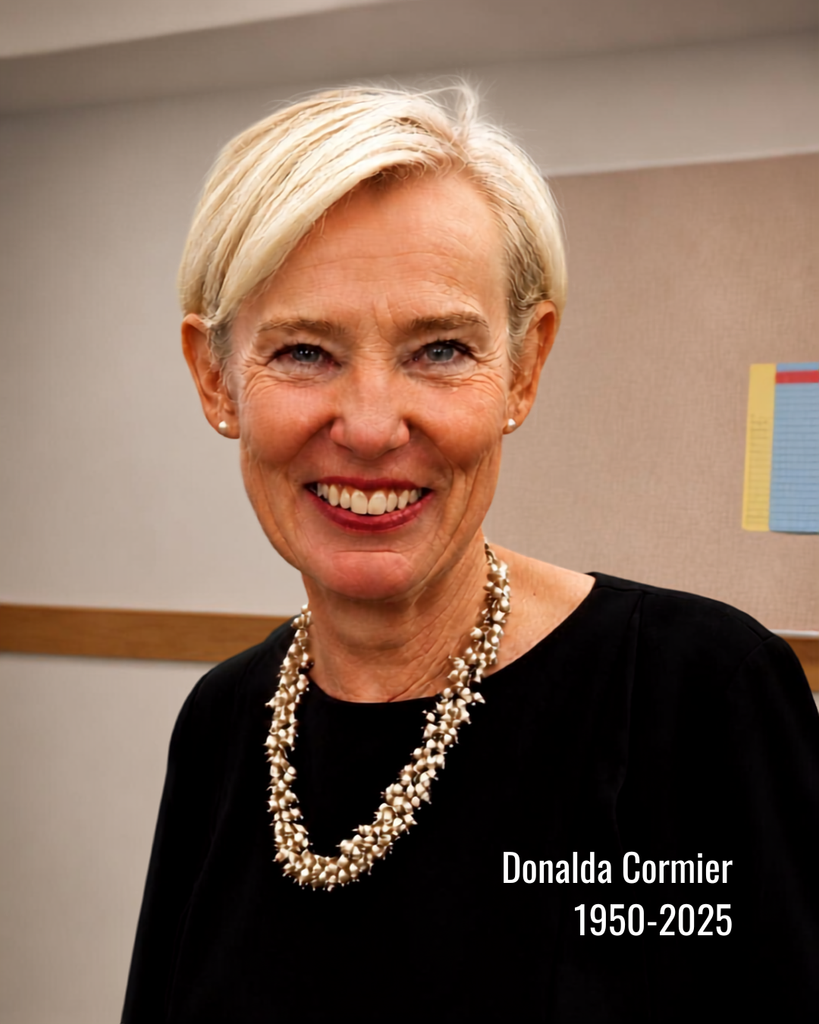
This is the first of several essays reflecting on the passing of a dear mentor who also became my mother-in-law.
As I’ve continued to work through the grief, I’ve found myself returning to moments from her final days. They seem ordinary at first. Looking back, they reveal the same craft she practised for nearly forty years, helping leaders and executive teams build healthier, more rewarding workplaces and campuses.
There are lessons in those final days that I couldn’t fully appreciate at the time. Today, I believe they may be among the greatest gifts she left me.